

Views: 0 Author: Site Editor Publish Time: 2026-06-14 Origin: Site


Opening a commercial family entertainment center demands massive upfront capital and meticulous strategic planning. Among the most critical decisions you will face is selecting the physical components for your play structures. Many operators mistakenly treat material selection merely as a superficial design preference. In reality, it stands as a core operational pillar for any successful business. Giving in to the temptation of value engineering and cutting initial costs frequently triggers severe long-term consequences. Facilities often suffer from accelerated material wear, heightened legal liability, and revenue-draining downtime.
This article provides operators and investors with an evidence-based framework for evaluating commercial-grade equipment. You will learn how premium material choices protect your structural investment. We will explore how smart selections ensure safety compliance, streamline daily maintenance routines, and build unwavering operational resilience. By prioritizing quality from day one, you position your facility for sustainable success and exceptional guest experiences.
Safety & Liability: Commercial-grade, certified materials drastically reduce liability risks by ensuring compliance with international fire and toxicity standards.
Total Cost of Ownership (TCO): High-density foams and marine-grade vinyls offset their higher upfront costs within 18–24 months through reduced maintenance and replacement needs.
Operational Continuity: Quality materials resist tearing, peeling, and odor absorption, preventing revenue-draining facility closures for repairs.
Supplier Verification: True material quality is verified through independent testing certifications (ASTM, EN, CE), not just vendor promises.
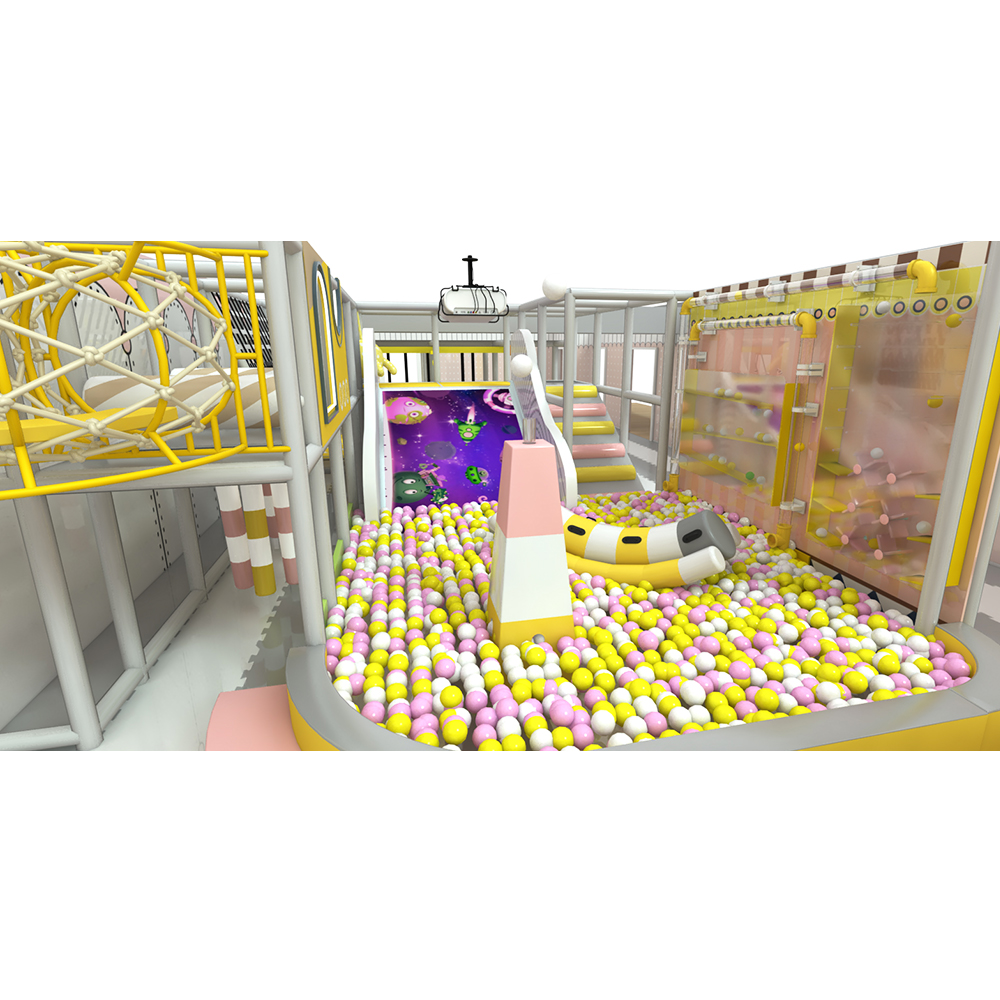
Every commercial facility relies on durable equipment to sustain daily, heavy foot traffic. When you evaluate an Indoor Soft Playground, looking only at the initial price tag creates a dangerous blind spot. Over a standard five-year operating cycle, material degradation accelerates rapidly if you choose budget options. During the first six months, cheap and premium materials often look identical. However, the real divergence begins around month twelve. High-quality materials demand higher initial capital. They offset this by drastically reducing maintenance labor and replacement frequency over the facility's lifespan.
Let us look at the core padding. High-density foam delivers superior impact attenuation and impressive structural memory. When children jump and fall, premium foam compresses to absorb the energy and instantly bounces back to its original shape. This vital resilience prevents the dangerous "bottoming out" effect. When foam bottoms out, it transfers a child's body weight directly to the hard steel or wood subfloor beneath. Premium high-density foam maintains strict safety compliance and eliminates the need for premature padding replacement. Low-density alternatives lose their cellular structure quickly. They leave hard surfaces exposed and put children at direct risk of injury.
Outer coverings protect the internal foam and endure the absolute most friction. Commercial setups rely on robust outer shells to survive zippers, buttons, and shoes. You typically choose between thick PVC (Polyvinyl Chloride) and PU (Polyurethane) leathers. Commercial-grade thickness generally requires at least 0.45mm to 0.55mm material combined with reinforced grid backing. These materials resist high-friction wear, punctures, and chemical degradation from harsh daily sanitization protocols.
Material Type | Standard Thickness | Friction Resistance | Best Application |
|---|---|---|---|
Commercial PVC Vinyl | 0.45mm - 0.55mm+ | Extremely High | High-traffic floors, slide landing zones, obstacle blocks |
Premium PU Leather | 0.50mm+ | High | Tactile play panels, toddler seating areas, decorative pieces |
Budget PVC (Avoid) | Under 0.35mm | Low (Tears easily) | Temporary displays, non-commercial home use only |
Safety dictates every aspect of commercial play facility operations. Material choice forms the strict foundation of passing your initial and annual safety inspections. Regulators in the United States rely heavily on ASTM F1918 standards. European inspectors utilize the stringent EN 1176 framework. These regulations dictate specific performance criteria for soft contained play equipment. They mandate strict entrapment prevention and impact absorption levels. If your materials fail to meet these baseline regulations, inspectors will unequivocally deny your operating permits.
Fire retardancy stands as a critical and non-negotiable necessity. You must select materials meeting strict flammability standards, such as the NFPA 701 vertical flame test. Insurance companies explicitly require these certifications before they underwrite your facility. Local fire marshals base occupancy permits entirely on documented fire resistance. Choosing untreated fabrics exposes your business to catastrophic legal liabilities and severe risk of property loss.
Toxicity and off-gassing present hidden dangers in child-dense, enclosed environments. Cheaper plastics and budget foams often contain hazardous chemical compounds. You must rigorously evaluate your materials to actively avoid:
Phthalates: Often used to make brittle plastics flexible, these chemicals can leach out over time and disrupt human endocrine systems.
Heavy Metals: Lead and cadmium sometimes hide in cheap yellow or red pigments used to create vibrant surface colors.
Volatile Organic Compounds (VOCs): These chemicals slowly evaporate from low-grade adhesives and foams, emitting toxic fumes into your ambient air.
Poor indoor air quality poses a severe business risk. Parents notice chemical odors immediately upon entering a building. A poorly ventilated space filled with outgassing budget plastics triggers asthma and allergies in young guests. This leads directly to health-related complaints and potential legal action. Premium, certified materials guarantee a safe, non-toxic breathing environment for highly active children.
Daily maintenance dictates your ongoing labor requirements. The porosity of your chosen materials directly impacts this sanitization burden. High-quality, non-porous vinyls feature a slick, impermeable topcoat. They effortlessly repel liquids, sticky spills, and ground-in dirt. Consequently, they require significantly less time and chemical volume to clean effectively. Your staff can wipe down premium surfaces swiftly, keeping nightly labor expenses completely manageable.
Antimicrobial properties offer a massive operational advantage in commercial spaces. Advanced materials feature specialized treatments integrated during the manufacturing process. They naturally resist mold, mildew, and aggressive bacterial accumulation. High-traffic zones remain hygienic even during peak weekend rushes. This built-in resistance protects vulnerable children from contagious pathogens and provides parents with immense peace of mind.
Seam and joint integrity often reveals the true manufacturing quality of a supplier. Budget vendors use cheap threads and perform inconsistent heat welding. This creates severe vulnerabilities across your equipment. Let us look at the standard failure sequence caused by poor seam integrity:
Friction from repetitive play wears down weak, single-stitched seams.
Cleaning fluids, spilled drinks, and sweat easily penetrate the compromised joints.
Moisture enters and becomes permanently trapped inside the dark inner foam core.
The inner foam begins rotting out of sight, harboring dangerous mold colonies.
Foul, permanent odors permeate the facility, driving away paying customers.
These hidden operational issues destroy your brand reputation. Unremovable facility odors trigger terrible online reviews. Premium construction utilizes reinforced, double-stitched seams and advanced high-frequency heat welding. This locks out moisture entirely and ensures seamless operational continuity.
Customers form split-second judgments about your facility based purely on visual appeal. High-quality, UV-stabilized materials maintain vibrant colors for years. They actively resist fading from natural sunlight and harsh overhead commercial lighting. Conversely, budget plastics quickly develop a faded, chalky, and tired look. This aesthetic decay drives your customers straight to newer, competing facilities. Color-fast materials protect your visual identity and uphold a highly premium brand perception in your local market.
Tactile feedback plays a surprisingly vital role in overall user experience. Children and parents notice the subtle differences in material quality immediately. Premium structural components feel firm, supportive, and comfortable. When a toddler leans against a padded column, the material should yield gently. Premium PU leathers offer a soft, skin-friendly touch. Rigid, poorly padded alternatives feel harsh, sticky, and uninviting. Soft, supple vinyl encourages much longer play sessions. It prevents friction burns and uncomfortable bruising, ensuring kids leave happy and uninjured.
Facility condition directly correlates with long-term customer retention. Modern parents demand pristine, modern, and impeccably maintained environments. When materials look crisp and feel deeply clean, parents write glowing online reviews. Word-of-mouth marketing thrives when families implicitly trust your safety and hygiene standards. Peeling vinyl, sagging foam, and exposed zippers trigger immediate membership cancellations. Investing in superior physical materials guarantees repeat visits and highly stable monthly revenues.
Sourcing commercial equipment carries significant implementation risks across international borders. The "bait-and-switch" tactic remains a remarkably common industry pitfall. Unscrupulous vendors might promise premium components during negotiations but install inferior alternatives on-site. You must actively ensure the materials specified in your binding contract match the actual materials delivered to your facility.
Establish strict verification protocols before signing any purchasing agreements. Always request physical material swatches directly from the factory. Hold the vinyl in your hands. Stretch it forcefully. Scrape it with a coin to see if the color easily scratches off. Bend the foam repeatedly to check for cracking or slow recovery. Demand independent, third-party lab testing certificates. These documents must verify specific material batches, not just generic company-wide qualifications. Reliable testing ensures your materials genuinely meet promised structural standards.
Analyze warranties carefully by reading the deeply buried fine print. High-quality material providers structure their warranties to cover premature wear and seam failure. Budget suppliers usually restrict coverage strictly to initial manufacturing defects. A comprehensive, multi-year warranty signals immense product confidence from the manufacturer. It proves they expect their materials to survive extreme commercial environments.
Take immediate action by creating a standardized vendor scorecard. This allows you to objectively compare competing bids based on hard material specifications rather than flashy sales brochures.
Evaluation Criteria | Budget Vendor Warning Signs | Premium Vendor Standards |
|---|---|---|
Vinyl Thickness | Refuses to specify or uses < 0.35mm | Guarantees 0.45mm - 0.55mm+ thickness |
Testing Certificates | Provides blurry, outdated, or generic docs | Provides recent ASTM/EN batch test reports |
Seam Construction | Single stitching, exposed threads | Double stitching, hidden seams, heat welded |
Foam Density | Low density (easily compresses to bottom) | High density (firm, immediate shape recovery) |
Selecting high-quality materials acts as a deeply defensive business strategy. It protects your massive capital investment and secures your daily profit margins. Cutting corners on foam density, vinyl thickness, or seam welding guarantees future operational nightmares. Accelerated wear leads to facility closures, expensive patching, and permanently lost customers.
We strongly encourage operators to prioritize strict compliance, structural durability, and lifecycle longevity over low initial quote prices. The cheapest manufacturing bid almost always becomes the most expensive mistake you can make. Quality equipment runs safely and quietly in the background, allowing you to focus on marketing and guest experience.
Take proactive steps today. Request detailed, line-by-line material specification sheets from your shortlisted manufacturers. Compare their independent testing certificates rigorously. Consider consulting with an independent playground safety inspector to officially validate your choices before placing a final order. Protect your business by demanding excellence in every thread and foam block.
A: A facility built with budget materials typically lasts 3 to 5 years before requiring major component replacements. However, an environment constructed with premium, commercial-grade materials can easily extend its lifespan to 8 to 10+ years. Achieving this maximum longevity requires adhering to a strict daily maintenance and sanitization schedule to prevent surface degradation.
A: You must demand verified certifications matching your region. Look for ASTM F1918 in the US and EN 1176 in Europe. For fire safety, require NFPA 701 or equivalent flammability ratings. Additionally, request third-party lab reports (like CE or TUV) proving the materials are completely free of toxic phthalates, lead, and harmful VOCs.
A: Premium materials typically command a 15% to 30% upfront premium compared to uncertified budget options. This initial increase directly funds thicker vinyls, denser foams, and advanced heat-welding techniques. Facilities easily recover this extra cost through drastically reduced maintenance labor, fewer replacement parts, and zero lost revenue from repair-related closures.
A: Premium materials often allow for localized, cost-effective patching or recovering by a professional. Because the underlying high-density foam remains intact, you only replace the vinyl skin. Conversely, cheap materials tend to shatter and rot entirely. Damage to budget equipment usually forces operators to purchase full, expensive component replacements.

 +971 58 542 5499